

Modern supply chains run on APIs, not emails or spreadsheets.
Every shipment update, carrier sync, warehouse status, and customer ETA depends on systems talking to each other in real time.
These digital connections keep operations fast and scalable but they also create risk.
When APIs are unsecured, attackers don’t disrupt trucks or warehouses.
They disrupt data. And when data breaks, decisions break too.
API issues usually don’t look like cyber attacks at first. They appear as delayed updates, failed integrations, or incorrect shipment information. For operations teams, it feels like instability. For customers, it looks like unreliability.
That’s why API security is no longer just an IT concern.
It’s a core supply chain operations issue that directly affects visibility, trust, and continuity.
In this article, we’ll explain how APIs hold supply chains together, why they’re targeted, and how API failures disrupt logistics flow all from an operational perspective.
🔗 APIs: The Invisible Glue Holding Supply Chains Together
Think about what happens when a customer places an order online. In milliseconds, dozens of systems need to talk to each other:
📦 Your e-commerce platform checks inventory levels across multiple warehouses
🚚 Your WMS (Warehouse Management System) reserves stock and creates a pick list
🚛 Your TMS (Transportation Management System) finds the best carrier and calculates shipping costs
📍 The carrier’s system accepts the booking and generates a tracking number
💳 Your payment processor charges the customer
📧 Your CRM sends confirmation emails
🔄 Your supply chain platform (like ShipChain SCM) updates the shipment status in real-time
All of this happens through APIs (Application Programming Interfaces) the invisible connections that let different software systems communicate. 🌐
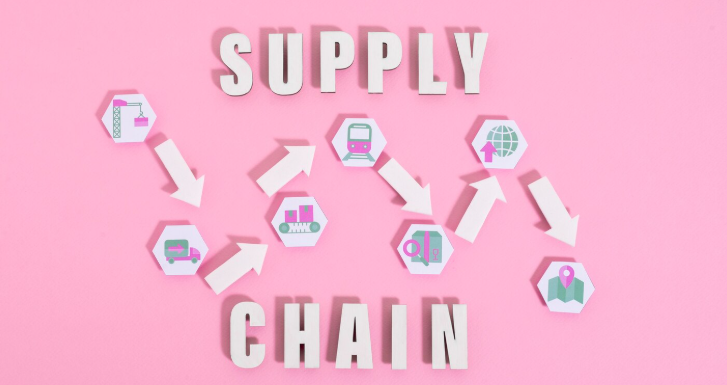
🔹What APIs Actually Do in Supply Chains
APIs aren’t just technical plumbing. They’re the nervous system of modern logistics:
1. Real-time tracking updates 📍 — Your supply chain platform pulls location data from carrier APIs every few minutes. Customers see “Your package is 5 stops away” because APIs make it possible.
2. Automated rate shopping 💰 — When you need to ship something, your TMS queries APIs from FedEx, UPS, DHL, and regional carriers simultaneously, comparing rates and transit times in seconds.
3. Inventory synchronization 📊 — Your warehouse system exposes APIs that let your e-commerce platform check stock levels before confirming orders. No more overselling.
4. Customs and compliance 📋 — International shipments require APIs that connect to customs databases, validate documentation, and submit declarations automatically.
5. Payment and invoicing 💵 — APIs connect your logistics systems to accounting software, automating invoice generation, payment processing, and reconciliation.
6. Partner integrations 🤝 — Every 3PL (third-party logistics provider), freight forwarder, and distribution center you work with connects through APIs.
🔹The Dependency Problem
Here’s the uncomfortable truth: if your APIs go down or get compromised, your entire supply chain stops. 🛑
- Can’t check inventory? Can’t accept orders. ❌
- Can’t book shipments? Can’t fulfill orders. ❌
- Can’t track packages? Customers start calling. ☎️
- Can’t process payments? Revenue stops flowing. 💸
Most companies have dozens to hundreds of API connections and most have no idea how secure they actually are.
🎯 Why Supply Chain APIs Are Prime Targets for Attackers
If you’re a cybercriminal looking to disrupt operations or steal data, supply chain APIs are a dream target. Here’s why:
1️⃣ High-Value Data Flowing Through 💎
Supply chain APIs transmit incredibly valuable information:
- 📦 Shipment details — what’s being shipped, where, and when
- 💰 Pricing information — your costs, margins, and customer pricing
- 👥 Customer data — names, addresses, purchase history
- 🏢 Partner credentials — access tokens for carrier and warehouse systems
- 💳 Payment information — in some cases, financial transaction data
One compromised API can expose millions of records.

2️⃣ Often Poorly Secured 🔓
Here’s the reality check:
Legacy systems 📟 — Many logistics companies still use APIs built 5-10 years ago, before modern security practices became standard.
“It’s just internal” 🤷 — Teams assume that because an API connects internal systems, it doesn’t need strong security. But attackers who breach one system can pivot to others.
Rapid integration pressure ⚡ — When you need to onboard a new carrier or 3PL quickly, security reviews get skipped. “We’ll fix it later” becomes “we forgot it exists.”
Third-party trust 🤝 — You assume your partners’ APIs are secure. They assume yours are secure. Nobody actually verifies.
3️⃣ Exposed to the Internet 🌐
Many supply chain APIs are directly accessible from the internet because:
- Carriers need to send tracking updates from anywhere
- Warehouse systems need to receive orders from multiple sources
- Mobile apps need to query shipment status
- Partner systems need 24/7 access
This internet exposure means automated scanners are constantly probing for vulnerabilities.
4️⃣ Authentication Weaknesses 🔑
Common problems include:
| Weakness | What It Means | Attack Risk |
|---|---|---|
| 🔑 API keys in URLs | Credentials visible in logs | High – easily stolen |
| 🔓 No rate limiting | Unlimited requests allowed | High – brute force attacks |
| 🕐 Tokens never expire | Once stolen, works forever | Critical – persistent access |
| 🚫 No input validation | Accepts malicious data | High – injection attacks |
| 📝 Verbose error messages | Reveals system details | Medium – aids reconnaissance |
5️⃣ Supply Chain = Connected Attack Surface 🔗
When you integrate with 50 carriers, 20 warehouses, and 10 financial systems, you’re not just exposing your APIs you’re also consuming their APIs.
One vulnerable API at a small regional carrier can become the entry point to your entire network. 🚨
6️⃣ Financial Motivation 💰
Attackers target supply chain APIs because:
- Ransomware impact 🔒 — Shutting down APIs means shutting down operations. Companies pay quickly.
- Data theft 📊 — Shipping data reveals valuable business intelligence about competitors.
- Fraud opportunities 💳 — Manipulated APIs can redirect shipments, alter invoices, or create fake transactions.
- Extortion 😈 — “Pay us or we’ll publish your customer data and API credentials.”
The combination of high value, weak security, and operational criticality makes supply chain APIs irresistible targets.
In modern systems, APIs need to be both accessible and secure, but many integrations lack proper authentication and access controls. For a practical overview of how API security works and why these endpoints are vulnerable, see API Security: Best Practices and Fundamentals by Postman.
⚠️ Common API Vulnerabilities in Logistics Operations
Let’s get technical about what actually goes wrong. These aren’t theoretical risks they’re actively exploited in supply chain systems:
1. Broken Authentication 🔑❌
The Problem: APIs that don’t properly verify who’s making requests.
Real Example: A shipping API accepts any valid-looking API key without checking if it’s expired, revoked, or even belongs to the requesting system.
Attack Scenario: Attacker finds an old API key in a GitHub repository, uses it to access shipment data for months before anyone notices.
2. Broken Object Level Authorization 🚪
The Problem: APIs that don’t check if users should access specific data.
Real Example: A tracking API uses predictable tracking numbers (TRACK001, TRACK002). By changing the number in the API request, attackers access other customers’ shipments.
Attack Scenario: Competitor queries thousands of tracking numbers, mapping out your entire shipment volume and customer base.
3. Excessive Data Exposure 📊💧
The Problem: APIs that return more information than needed.
Real Example: When checking if an item is in stock, the API returns the entire inventory database including costs, suppliers, and warehouse locations.
Attack Scenario: Automated scripts harvest pricing and supplier data, giving competitors complete visibility into your operations.
4. Lack of Rate Limiting ⚡🔥
The Problem: No restrictions on how many requests an API accepts.
Real Example: A carrier booking API allows unlimited requests. Attacker sends 100,000 fake booking requests in minutes, crashing the system.
Attack Scenario: Deliberate denial-of-service attack during peak season causes millions in lost revenue.
5. Mass Assignment 📝✏️
The Problem: APIs that accept any data field without validation.
Real Example: A shipment update API accepts JSON data. Attacker adds "pricing": 0.01 to the request, changing the shipping cost.
Attack Scenario: Fraudulent shipments booked at near-zero cost, or legitimate shipments repriced to cause billing chaos.
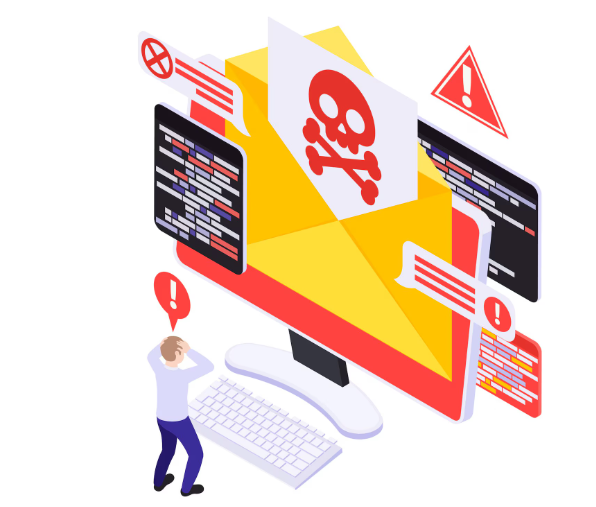
6. Security Misconfiguration 🔧❌
The Problem: Default settings, unnecessary features enabled, verbose error messages.
Real Example: API documentation accidentally left public, revealing internal system architecture and test credentials.
Attack Scenario: Attackers use test credentials from public docs to access production systems.
7. Injection Attacks 💉
The Problem: APIs that don’t sanitize input data.
Real Example: A warehouse API accepts tracking numbers without validation. Attacker injects SQL code: TRACK123'; DROP TABLE shipments; --
Attack Scenario: Database gets corrupted or deleted, causing operational chaos.
8. Insufficient Logging & Monitoring 👁️🚫
The Problem: No visibility into who’s accessing APIs and what they’re doing.
Real Example: APIs log successful requests but not failed authentication attempts or unusual access patterns.
Attack Scenario: Attacker probes for vulnerabilities for weeks, successfully breaches the system, and nobody notices for months.
💥 The Real Cost of Compromised API Endpoints on Supply Chain Operations
When APIs get compromised, the damage spreads fast. Here’s what actually happens:
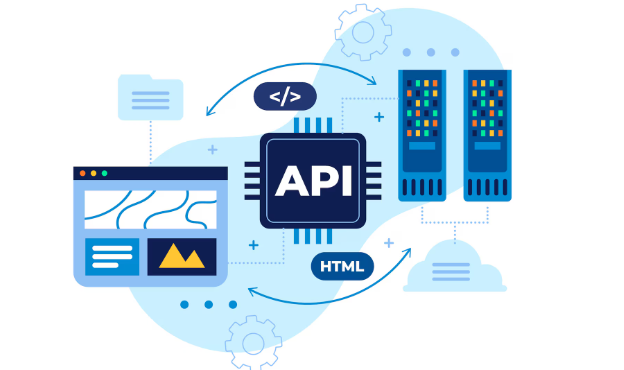
1. Operational Disruption 🛑
Scenario: Ransomware hits your carrier integration APIs.
Immediate Impact:
- ❌ Can’t book new shipments
- ❌ Can’t get tracking updates
- ❌ Can’t confirm deliveries
- ❌ Can’t process invoices
Timeline: Operations grind to halt within hours. Manual workarounds (phone calls, emails, spreadsheets) can’t keep up with volume.
Cost: $250K – $2M per day depending on company size.
2. Data Breach Exposure 📊💔
Scenario: Attacker exploits broken authorization in your tracking API.
What Gets Stolen:
- 📦 6 months of shipment data (500K+ records)
- 👥 Customer names, addresses, phone numbers
- 💰 Pricing and margin information
- 🏢 Partner and vendor details
Regulatory Impact: GDPR fines (€20M or 4% of revenue), notification costs, credit monitoring for affected customers.
Cost: $2M – $15M in direct costs, plus immeasurable reputation damage.
3. Fraudulent Transactions 💳
Scenario: Mass assignment vulnerability lets attackers manipulate shipping costs.
What Happens:
- 🚛 High-value shipments booked at $1 each
- 📦 Unauthorized shipments to fraudulent addresses
- 💸 Fake invoices submitted for payment
Detection Lag: Often not discovered until month-end reconciliation.
Cost: $500K – $3M in fraudulent charges before discovery.
4. Competitive Intelligence Loss 🕵️
Scenario: Excessive data exposure leaks business intelligence.
What Competitors Learn:
- 📊 Your shipment volumes and growth trends
- 💰 Your pricing strategies
- 🏢 Your supplier and partner networks
- 📍 Your distribution patterns
Long-term Impact: Loss of competitive advantage, customer poaching, margin pressure.
Cost: Impossible to quantify, but strategic damage lasts years.
4. System Availability Attacks ⚡
Scenario: Lack of rate limiting enables denial-of-service.
What Happens:
- 🔥 API servers overwhelmed with requests
- 💥 Systems crash or become unresponsive
- 🚫 Legitimate traffic can’t get through
Business Impact: During peak season (Black Friday, holiday shipping), hours of downtime = millions in lost revenue.
Cost: $100K – $1M per hour during peak periods.
5. Trust Erosion 💔
The Silent Killer: When APIs fail repeatedly or get breached, customers lose confidence.
- 📉 Customer satisfaction scores drop
- 🚪 Enterprise clients leave for more reliable partners
- 📰 Negative press damages brand
- 💼 Sales cycles lengthen as prospects demand security audits
Cost: 15-30% revenue decline over 12-18 months post-breach.
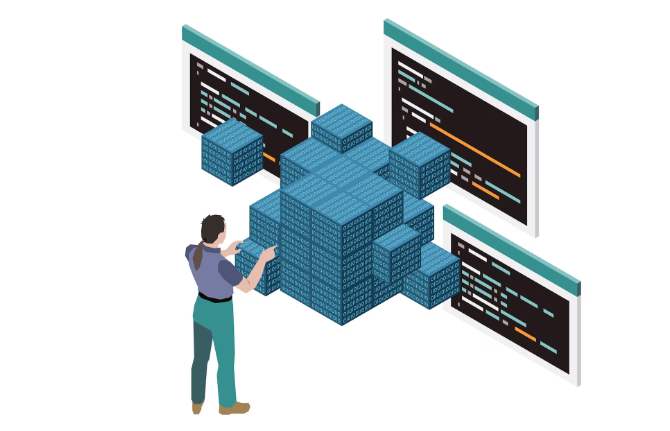
API breaches are not just theoretical real supply chains have already been disrupted by similar attacks, leading to data loss and operational chaos.
For recent examples and trends in supply chain attacks and how organizations can defend against them, see Supply Chain Attacks: Recent Examples, Trends & How to Prevent Them.
🛡️ Continuous API Security Monitoring Without Breaking Integrations
Here’s the challenge: APIs need to be available 24/7, but you also need to continuously test their security without disrupting operations. 🔄
Traditional security testing can trigger rate limits, crash systems, or create false alarms. Modern supply chains need a smarter approach.
Smart Monitoring Strategies 🎯
Passive Traffic Analysis 👁️
Watch API behavior without sending test requests. Detect anomalies like unusual request volumes, authentication failures, or data exfiltration patterns.
Intelligent Scanning 🔍
Platforms like Tenable schedule vulnerability scans during low-traffic periods, respect rate limits, and prioritize critical APIs. Testing happens continuously but intelligently.
Real-Time Alerts 🚨
Get immediate notifications for authentication bypasses, injection attempts, geographic anomalies, or known CVE exploits being targeted.
Configuration Monitoring 📏
Track who changes API settings, what was modified, and whether it introduced new vulnerabilities.
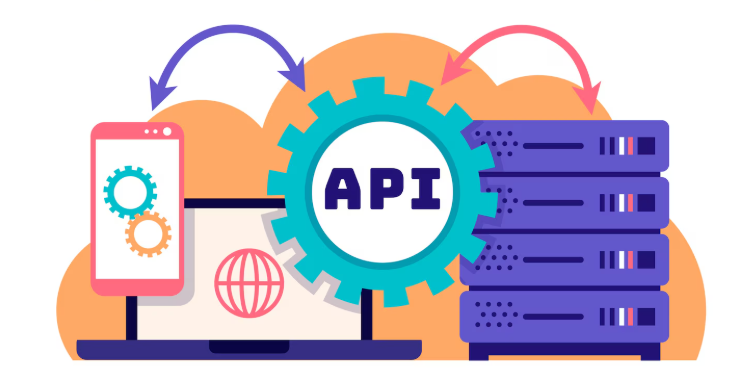
Integration with Supply Chain Platforms 🔗
When using platforms like ShipChain SCM, monitoring should:
✅ Validate tracking data for logical consistency
✅ Monitor carrier API health and performance
✅ Cross-reference multiple data sources
✅ Alert on booking anomalies or pricing discrepancies
Security monitoring enables reliable operations it’s not a burden, it’s protection. 🛡️
🤝 Securing Third-Party API Connections
Your supply chain connects to dozens of external partners: carriers, warehouses, financial systems, and compliance databases. Each connection is a potential vulnerability. 🎯
🔹The Third-Party Risk 🚨
You can’t control their security, audit their code, or guarantee their partners are secure. One vulnerable API at a small carrier can become your entry point for attackers.
🔹Essential Security Practices 🛡️
Vendor Assessment Before Integration 📋
Ask about authentication methods, patch schedules, certifications (SOC 2, ISO 27001), and incident response processes.
Least Privilege Access 🔑
Grant partners only what they need: read-only when possible, specific endpoints only, time-limited credentials, and scope restrictions.
API Gateway Protection 🚪
Route all partner traffic through a gateway that enforces authentication, applies rate limiting, logs requests, and enables quick credential revocation.
Regular Credential Rotation 🔄
API keys should expire every 30-90 days. Rotate immediately after employee departures. Maintain audit trails of all credentials issued.
Continuous Partner Monitoring 👁️
Watch for unusual access patterns, unexpected IP addresses, after-hours access, or data request spikes.
🔹ShipChain SCM Integration Example 🔗
When connecting to carrier APIs, best practices include:
✅ Unique credentials per carrier (no shared keys)
✅ Request throttling to respect carrier limits
✅ Data minimization (only necessary fields)
✅ Graceful degradation if one carrier fails
✅ Complete audit logging for compliance
Contractual requirements should mandate breach notifications within 24-48 hours, regular security audits, and clear liability for failures.
Secure integrations = reliable supply chain operations. 🎯
📍 Case Scenario – Preventing Carrier API Exploitation
Imagine a logistics team managing hundreds of daily shipments through multiple carriers 🚚.
One morning, teams notice that several shipments suddenly show incorrect delivery statuses. Some are marked delayed without reason. Others appear to be rerouted even though no operational changes were made.
At first, it feels like a data sync issue. Support teams check dashboards, carriers are contacted, and manual verification begins. Time is lost, and customer updates are delayed ⏱️.
Behind the scenes, the issue traces back to a carrier API endpoint that was exposed and poorly authenticated. An attacker exploited it to send false updates that looked legitimate to connected systems.
Because API exposure was identified early, the team was able to temporarily isolate that integration, validate shipment data from alternate sources, and prevent incorrect information from spreading further. No shipments were physically delayed, but a potential operational crisis was avoided quietly.
From the outside, nothing dramatic happened. Internally, however, a serious disruption was prevented simply by catching API misuse before it cascaded across operations 🛡️.
✅ Best Practices for API Security in Supply Chain Platforms
Strong API security in supply chain platforms is not about locking everything down aggressively. It’s about maintaining control without slowing operations ⚙️.
Operations leaders should ensure that APIs are treated as critical infrastructure, not background plumbing. This means knowing which APIs exist, which systems depend on them, and which ones are exposed beyond internal networks.

Access should always be intentional. Every API connection should have a clear purpose, limited permissions, and regular review. Trust should never be permanent especially when third parties are involved.
Equally important is visibility. When teams understand which APIs are exposed or behaving unusually, they can act before disruptions occur. This keeps security aligned with business outcomes rather than becoming a blocker 🚦.
The goal isn’t perfection. The goal is predictability. Secure APIs help ensure that data stays accurate, integrations remain stable, and supply chain platforms continue supporting decisions instead of creating confusion.
In modern logistics, secure APIs don’t just protect systems they protect confidence 📦.
“Related Article”
- How Unsecured IoT Devices Disrupt Supply Chain Logistics
- How Do Cyber Attacks Affect Supply Chain Operations?
FAQs
❓ Why are third-party APIs risky in supply chain systems?
Third-party APIs are often trusted by default. If a partner’s API is misconfigured or compromised, it can send incorrect data into your system and disrupt operations without obvious warning signs.
❓ Can API attacks actually delay shipments?
Yes. API attacks often corrupt tracking data, trigger false updates, or break integrations. This leads to wrong decisions, rerouting issues, and delayed customer communication.
❓ Does securing APIs slow down supply chain operations?
No. When done correctly, API security focuses on visibility and controlled access. It protects data flows without interrupting real-time integrations or daily workflows.
❓ What’s the first step to improving API security in supply chains?
The first step is visibility. Teams need to know which APIs are connected, who has access to them, and which operations depend on those connections.