
Supply chain leaders today don’t just worry about deliveries being on time they worry about whether their digital supply chain infrastructure will keep working tomorrow with the same reliability.
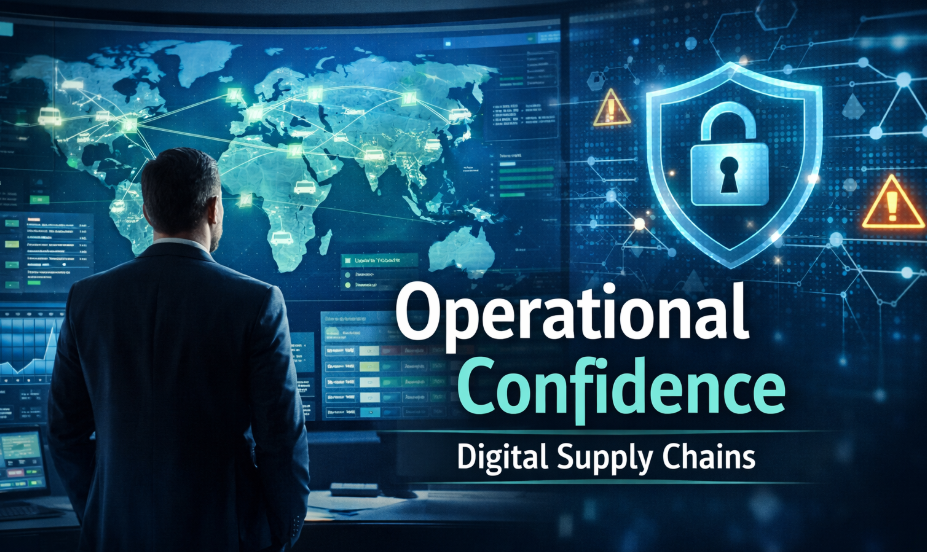
Supply chains now run on cloud systems, integrations, and shared data, so confidence depends on two things working together: strong operational control (where ShipChain plays the central role) and clear cyber risk visibility (where security platforms such as Tenable help organizations understand their exposure).
📌 Why Supply Chain Leaders Now Worry About Confidence 😟
Modern supply chains have shifted from linear, paper-heavy processes to highly connected digital ecosystems where planning, execution, and tracking all flow through cloud applications and integrated platforms. Leaders now rely on transportation systems, warehouse management tools, partner portals, and analytics dashboards that sit across different providers and networks.
As organizations embrace cloud-based tools, APIs, and external platforms, the number of digital “entry points” into the supply chain has grown dramatically. Every link from a customs broker to a 3PL warehouse to an e-commerce storefront is another piece of infrastructure that can fail, be misconfigured, or be attacked.
1️⃣ From Linear Chains to Digital Ecosystems 🌐
Traditional supply chains were largely sequential: orders flowed from manufacturer to distributor to retailer, often with limited real-time visibility. Today, digital supply chain infrastructure ties many of these players into a shared, data-driven environment where information is exchanged continuously rather than in slow batches.
Cloud platforms now support planning, inventory, transportation, and customer updates all at once, often connecting multiple regions and partners in real time. This improves responsiveness, but also means that a single outage in one system can ripple across multiple markets and channels very quickly.
2️⃣ More Data, More Partners And More Risk 🤝
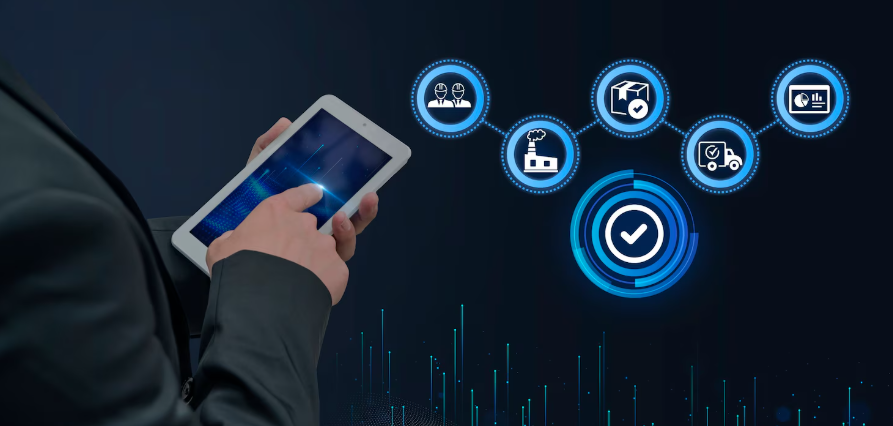
Data flows in every direction: forecasts from customers, tracking updates from carriers, inventory snapshots from warehouses, and compliance information from regulators. Each integration with a carrier, freight forwarder, or technology vendor introduces another dependency.
When one party in this ecosystem experiences a cyber issue, misconfiguration, or performance degradation, it can suddenly affect on-time shipments, planning accuracy, or inventory visibility for everyone else connected. Leaders are therefore not just managing suppliers and lanes they are also managing the risk surface created by all their digital connections.
3️⃣ The New Question: “Can I Trust Our Operations Tomorrow?” ❓
The key leadership question has evolved from “Are we efficient enough?” to “Can I rely on my operations to continue under uncertainty?” Real supply chain operational confidence means believing that:
- Systems will run predictably.
- Exceptions will be visible early.
- Disruptions whether operational or cyber-related can be contained and managed.
This kind of confidence does not come automatically from speed or cost optimization. It must be built intentionally through both operational structure and cyber risk awareness.
Digital supply chains leverage modern technologies like real‑time data and networked systems to improve visibility and responsiveness across operations.
📌 What Operational Confidence Means in Supply Chains ✅
Operational confidence is the feeling that your supply chain will do what you expect, when you expect it, even when conditions change. For non-technical leaders, it can be defined in three simple words: visibility, control, and predictability.
Leaders don’t need to see every packet of data or every line of code. Instead, they need a trustworthy picture of how operations are running and the ability to influence outcomes quickly when things deviate from plan.
🔹Confidence = Visibility + Control + Predictability 🔍
- Visibility means understanding what is happening across orders, shipments, warehouses, and partners right now and in the near term.
- Control means being able to change priorities, routes, vendors, or processes without chaos, delays, or finger-pointing.
- Predictability means performance behaves within expected ranges even when disruptions occur, the impact is understood and managed.
When these three elements are present, supply chain leaders feel in control rather than reactive. They can explain performance to stakeholders with clarity and make decisions that are grounded in reality rather than guesswork.
🔹Beyond Speed, Cost, and OTIF 📊
Most organizations already measure OTIF, transportation cost, and lead times, but these metrics alone don’t show how exposed the operation is to cyber or system disruptions. Two supply chains can have similar service and cost profiles, yet one may be heavily dependent on fragile systems or unsecured digital connections.
Operational confidence brings a deeper layer:
- Are critical processes overly dependent on a single vendor or system?
- How quickly would operations recover if a key application went offline?
- Are there blind spots where problems build quietly before appearing in the metrics?
🔹The Indicators of a Confident Operation 🧭
Confident operations share some recognizable patterns:
- Clear, unified operational views instead of scattered reports and spreadsheets.
- Early alerts on delays, exceptions, and bottlenecks with context on root causes.
- Insight into which lanes, customers, or sites are most sensitive to disruptions.
- A shared operational language across logistics, IT, and security, so issues are understood quickly.
This foundation depends on having a structured supply chain operations platform and an equally structured view of cyber exposure.
📌 Why Cyber Risk Directly Affects Supply Chain Operations ⚠️
Cyber risk is often discussed in security or IT circles, but its effects are acutely operational. In a digital supply chain, a compromised system does not just mean a technical incident it can stop trucks, confuse planners, and disappoint customers.
1️⃣ Downtime: When Digital Infrastructure Stops, So Do Trucks 🚛
When a core logistics, warehouse, or transportation system is hit by ransomware or suffers a serious outage, people on the ground cannot receive orders, print labels, or update status. Schedulers may need to revert to manual workarounds, which are slower and more error-prone.
In a world of tight delivery commitments and thin inventories, even a few hours of downtime can:
- Delay outbound shipments.
- Create congestion in docks and yards.
- Trigger penalty charges or lost revenue opportunities.
Digital availability has become as critical as physical capacity.
2️⃣ Data Manipulation: The Silent Disruptor 🧩
Not all cyber incidents are obvious. If attackers or misconfigurations alter routing rules, pricing tables, inventory counts, or customer data, operations can go wrong without any clear alert from the systems themselves.
Examples include:
- Orders being directed to the wrong warehouse.
- Inventory appearing available when it is not.
- Shipments being booked under incorrect service levels or carriers.
Such subtle manipulations result in real-world consequences: stockouts, excess movements, inaccurate delivery ETAs, and confused customer communication.
3️⃣ Vendor and Third-Party Access Risks 🕸️
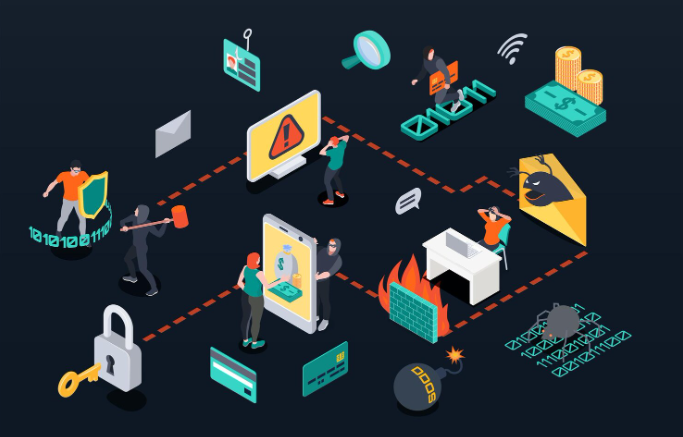
Supply chains depend heavily on vendors, carriers, and logistics providers that connect into core systems or share data feeds. If one of these partners is compromised, the attacker may attempt to move “sideways” into connected environments.
This is why access management, integration security, and vendor hygiene have become essential concerns for supply chain executives, not just security teams. The operational impact is clear: a single weak link in the partner network can disrupt flows for multiple regions or channels.
4️⃣ A Board-Level Continuity Issue 💼
Because cyber incidents now cause delivery failures, compliance challenges, and reputational damage, supply chain cyber risk has become a business continuity topic at board level. Leaders are expected to show that:
- Critical supply chain systems and integrations are understood and monitored.
- Dependencies on vendors and platforms are mapped.
- There is a plan to maintain operations, even when digital assets are under stress.
To do this effectively, they need practical risk visibility, not just technical reports.
As supply chains become more digitally interconnected, it’s critical to secure your systems against data manipulation and cyber disruptions. [Learn how blockchain can secure your supply chain against cyber risks].
📌 Understanding Risk Visibility in Digital Supply Chains 🔐
Risk visibility starts with a simple idea: “Where are we exposed?” For a digital supply chain, exposure includes all the systems, cloud services, partner links, APIs, and devices that support operations and how each could be misused or attacked.
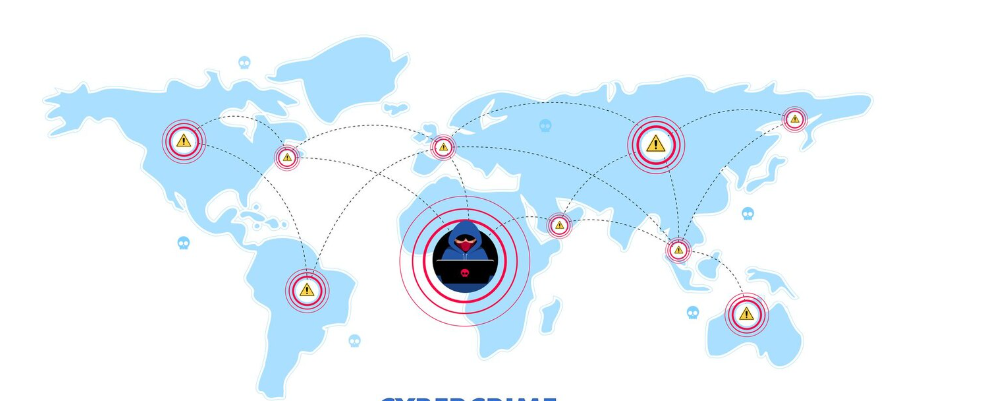
🔹What Is Exposure in Simple Language? 🧠
Exposure can be explained without technical jargon:
- Every system that stores or moves supply chain data is a potential door.
- Every integration to a partner is a potential corridor.
- Every user account and device that can access these systems is a potential entry point.
Risk exposure is the sum of all these doors, corridors, and entry points that are either unprotected, misconfigured, or not fully understood by the organization.
🔹Why Leaders Need a Clear Map of Their Digital Footprint 🗺️
Without a clear map of this digital footprint, leaders cannot know:
- Which sites, regions, or partners rely on particularly fragile systems.
- Where critical operations depend on older, unpatched, or poorly monitored technology.
- Which integrations, if compromised, could disrupt high-value flows.
A map of exposure does not mean every leader must become a security engineer. Instead, it allows the business to translate risk into operational terms such as, “These high-volume lanes are supported by systems with elevated exposure and should have stronger contingency plans.”
🔹How Platforms Like Tenable Help with Cyber Exposure Awareness 🛡️
Security platforms such as Tenable help organizations understand cyber exposure across their modern attack surface. They are designed to:
- Identify which systems, assets, and connections exist across the environment.
- Highlight where vulnerabilities, misconfigurations, or gaps in protection are present.
- Support teams in prioritizing which exposures matter most to the business.
In the context of supply chain, this kind of visibility enables organizations to connect technical findings with operational realities: which logistics sites, which integrations, and which applications are most critical to keep safe.

🔹Turning Technical Risk into Business Language 🗣️
For non-technical leaders, the real value of cyber exposure awareness is the ability to convert it into questions such as:
- “Which of our warehouses or carriers are most affected if this system is disrupted?”
- “Which customer commitments rely on these higher-risk platforms?”
- “Where do we need alternate processes or routes if a vendor or region is impacted?”
When exposure data is translated into these kinds of operational questions, supply chain leaders can factor cyber risk into planning, prioritization, and investments. The next step is ensuring that operations themselves are structured enough to act on these insights.
📌 Operational Control – The Other Half of Confidence 🧭
If cyber visibility answers “Where are we vulnerable?”, operational control answers “How do we run and how do we adapt when something goes wrong?” Supply chains that rely on scattered emails, spreadsheets, and siloed systems struggle to respond quickly because they lack an organized execution framework.
1️⃣ Why Centralizing Workflows, Vendors, and Logistics Matters 🧱
When workflows are fragmented across tools and teams, even a small issue can trigger confusion: different versions of the truth, duplicated effort, and delayed decisions. By centralizing workflows, vendors, and logistics processes in a structured operations platform, leaders gain:
- A single operational picture for orders, shipments, and exceptions.
- Standard processes for how tasks move from planning to execution.
- Clear accountability for actions when disruptions arise.
This centralization is a prerequisite for supply chain operational confidence because it ensures there is a coherent way to react when alerts including cyber-related alerts appear.
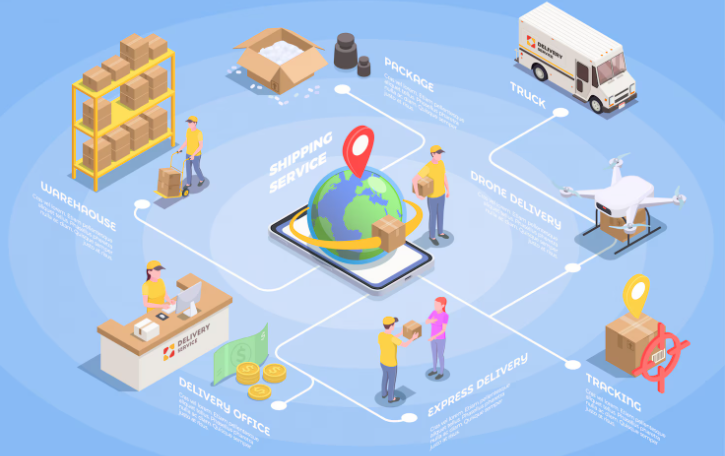
2️⃣ Structuring Day-to-Day Supply Chain Execution 📦
A structured operations platform aligns the full lifecycle:
- Customer or internal demand translates into orders.
- Orders are planned into shipments, routes, and capacity.
- Warehousing and transportation tasks are coordinated across sites and partners.
- Exceptions delays, damage, system issues are surfaced and addressed systematically.
When this lifecycle is clearly modeled and visible, leaders can see how a potential disruption in one area (for example, a regional carrier’s portal) will affect specific orders, customers, and timelines.
3️⃣ ShipChain as the Operational Backbone 🧠
In this context, ShipChain functions as a core supply chain operations platform that helps organizations manage logistics workflows and structure their day-to-day execution. It supports supply chain teams in:
- Organizing and tracking key operational processes in one environment.
- Improving visibility across moves, partners, and exceptions.
- Reducing reliance on fragmented tools that make control difficult.
By acting as the operational backbone rather than a point solution, ShipChain helps leaders move from ad-hoc coordination to disciplined, transparent management of their logistics operations. This operational structure is essential when organizations want to align with cyber risk insights and respond intelligently.
ShipChain provides enterprise-grade features like real-time tracking, AI analytics, and route optimization that structure complex global operations.
👉 See how ShipChain’s AI platform improves supply chain visibility and efficiency: ShipChain
4️⃣ From Firefighting to Managed Operations 🔄
When operations are unstructured, every disruption feels like a fire drill. When they are structured on a central platform, disruptions become manageable scenarios with known playbooks, responsible teams, and clear communication paths.
This shift from firefighting to managed operations is what allows leaders to connect risk awareness with real-world action. It is also what makes operational confidence durable, not just situational.

📌 How ShipChain and Risk Awareness Work Together 🤝
Operational platforms and exposure-management platforms solve different problems, but together they create a more complete form of confidence. One helps organizations see where they are at risk; the other helps them decide how to run in light of that risk.
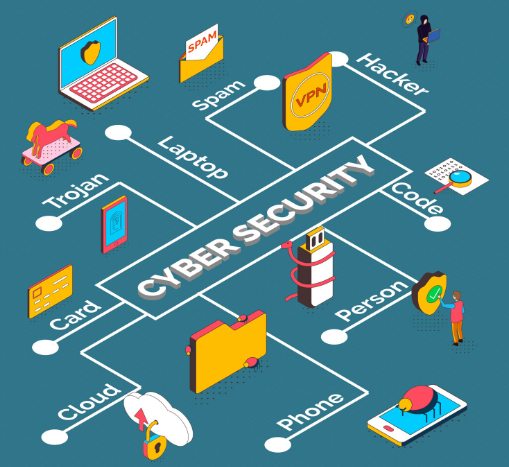
🔹Two Complementary Views of the Same Reality 🧿
- A cyber exposure view (from platforms such as Tenable) answers:
- Which systems, assets, and integrations are most exposed?
- Where are the most serious vulnerabilities or weaknesses?
- An operational view (through ShipChain) answers:
- Which orders, customers, and flows depend on those exposed systems?
- How will operational performance be affected if one environment is degraded?
These perspectives do not overlap; they align. One is focused on security posture, the other on execution posture.
🔹Example Scenario: Warehouse Outage and a Vulnerable Vendor 📍
Imagine a situation where:
- The security team detects that a third-party logistics provider’s connection into the environment carries elevated cyber exposure.
- At the same time, operational teams see in ShipChain that this provider handles a significant percentage of orders for a strategic customer or critical region.
Because both teams share structured visibility, the organization can:
- Prioritize mitigation for that vendor connection.
- Evaluate backup carriers or alternate sites within ShipChain.
- Plan short-term rerouting or load-balancing to reduce dependency until risk is lowered.
This is no longer a purely technical issue or a purely logistics issue it becomes a coordinated decision supported by a common picture of risk and operations.
🔹Enabling Coordinated Decisions Between Security and Operations 🧑💼🧑💻
When cyber exposure information and operational workflows remain separated, responses are slower and often misaligned. Security may treat an issue as urgent while operations see only “noise,” or operations may experience system instability without understanding the underlying risk.
By connecting cyber awareness with a structured operational platform, organizations can:
- Discuss risk in the language of specific lanes, customers, or sites.
- Prioritize incident responses that protect both security and continuity.
- Design playbooks where certain exposure levels trigger predefined operational adjustments.
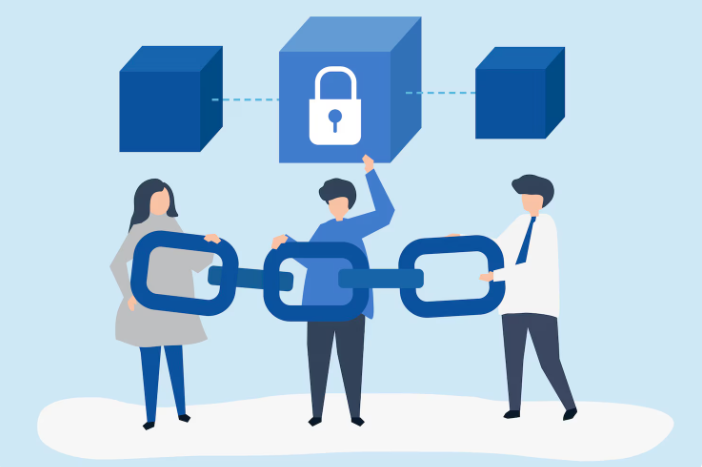
🔹No Overlap, Just Balance ⚖️
It is important to emphasize that security platforms such as Tenable and operational platforms like ShipChain are not competing technologies. They serve distinct, complementary roles:
- Tenable helps organizations understand where cyber exposure exists in their digital environment.
- ShipChain helps organizations manage how operations run in the face of that complexity and evolving risk.
Together, they support a balanced model where organizations can both see their risks and control their responses.
📌 Business Benefits for Supply Chain Leaders 📈
When risk visibility and operational control work side by side, supply chain leaders gain benefits that are directly relevant to performance, resilience, and stakeholder trust.
1️⃣ Better and Faster Decisions Under Pressure ⏱️
With exposure insights and operational visibility aligned, leaders can make decisions such as:
- Whether to reroute shipments away from a high-risk region or provider.
- How to prioritize capacity when a system incident limits throughput.
- Which customers to protect first if a disruption cannot be fully avoided.
Decisions are made on facts rather than assumptions, and they happen faster because the necessary information is already structured.
2️⃣ Reduced Uncertainty and Fewer Surprises 🌫️
Uncertainty is one of the most costly elements in complex global operations. When leaders do not know how exposed their systems are, or how disruptions will propagate through the network, they are forced into reactive behavior.
By combining supply chain cyber risk visibility with structured operational workflows, organizations:
- Reduce the chance of unexpected, cascading failures.
- Create more stable expectations for internal and external stakeholders.
- Spend less time discovering basic facts and more time choosing effective responses.
3️⃣ Stronger Resilience and Continuity 🛡️
Resilience is not just about having backups; it is about knowing when and how to use them. A clear understanding of cyber exposure, combined with a well-managed operations platform, supports:
- Planned contingencies for high-risk vendors or systems.
- Smooth shifts between routes, carriers, or facilities when needed.
- The ability to maintain service levels even when parts of the digital landscape are under stress.
4️⃣ More Trust from Partners, Customers, and Regulators 🤝
External parties increasingly ask not just about delivery capability, but about how well risk is managed across the digital and physical supply chain. Leaders who can demonstrate both:
- Structured operational control with a platform like ShipChain.
- Mature exposure awareness supported by platforms such as Tenable.
are better positioned to earn and keep the trust of customers, partners, and oversight bodies. That trust becomes a competitive advantage in markets where disruptions are common and scrutiny is high.
📌 Conclusion – Confidence from Awareness + Control 🏁
The definition of supply chain excellence is changing. It is no longer enough to be fast and cost-efficient; the most valuable supply chains are those that deliver reliable continuity under uncertain and often volatile conditions.
That continuity rests on two pillars:
- Risk awareness through cyber exposure visibility, supported by security platforms such as Tenable.
- Operational control and structure, provided by a core supply chain operations platform like ShipChain.
When these elements come together, supply chain operational confidence becomes tangible. Leaders can see where their digital supply chain infrastructure is exposed, understand how that exposure intersects with day-to-day logistics, and run their operations with a steady hand even when the environment is unpredictable.
In the future, the most trusted supply chain organizations will be those that treat cyber and operational risks as two sides of the same coin, investing equally in understanding where they are vulnerable and in structuring how they operate. ShipChain at the core of operations, complemented by exposure-aware security platforms, offers a clear path toward that confident, resilient, and trusted digital supply chain.
👉 Explore ShipChain’s enterprise supply chain solutions: ShipChain
“Related Article”
- What Is Cyber Exposure Management & Why Businesses Need It
- OT Security in Supply Chains: Why Industrial Systems Are a Hidden Risk
❓ FAQs
1. What is supply chain operational confidence?
Supply chain operational confidence is a leader’s ability to trust that operations will run reliably, even when disruption or uncertainty appears. It comes from combining clear risk awareness with strong operational control.
2. How does cyber risk impact supply chain operations?
Cyber risk can cause system downtime, data manipulation, and vendor access issues, which directly lead to shipment delays, planning errors, and business disruption.
3. What role does Tenable play in this context?
Security platforms such as Tenable help organizations understand their cyber exposure by identifying where digital systems, assets, and integrations may be vulnerable.
4. What is ShipChain’s role for supply chain leaders?
ShipChain functions as a core supply chain operations platform that helps structure logistics workflows and improve visibility, so leaders can manage daily execution with more control.
5. Why combine operational control with cyber risk visibility?
When leaders pair cyber exposure awareness with a structured operations platform, they gain better decision-making, reduced uncertainty, stronger resilience, and higher trust across partners and customers.