

Supply chains today are no longer just physical networks of trucks, warehouses, and ports 🚚📦. They are digital systems first, where every movement depends on software, data, and integrations working smoothly.
Shipment visibility, carrier coordination, warehouse updates, and customer commitments all rely on connected platforms talking to each other in real time.
When these digital connections are stable, operations feel predictable. When they fail, everything slows down even if trucks and inventory are physically ready to move.
This is where cyber risk enters the picture ⚠️.
Cyber incidents don’t always show up as dramatic shutdowns. In supply chain operations, they often appear as:
- Missing or delayed tracking updates
- Incorrect shipment statuses
- Broken integrations between systems
- Confusing data that leads to wrong decisions
For operations leaders, this feels less like a “security issue” and more like loss of control.
That’s why cyber risk and supply chain operations are now deeply connected. If digital systems are exposed, misconfigured, or compromised, operational confidence disappears even when physical logistics are intact.
This article explores how combining risk awareness with operational visibility helps leaders regain confidence.
By understanding how platforms like Tenable provide cyber exposure insight and how ShipChain structures supply chain operations, organizations can better protect continuity, reliability, and trust 🔐📊.
1. 🧩 What ShipChain and Tenable Each Do
To understand the integration, it’s important to be clear about who does what and just as important, who doesn’t overlap 🔍.
ShipChain focuses on running the supply chain. It structures day-to-day operations like shipment visibility, carrier coordination, integrations with logistics partners, and real-time operational workflows. When everything is working, ShipChain helps teams see what’s moving, what’s delayed, and what decisions need to be made right now 🚚📊.
On the other side, Tenable focuses on understanding cyber exposure. It helps organizations see where digital assets, systems, APIs, and connected environments may be vulnerable or misconfigured. Tenable doesn’t run logistics or manage shipments it provides awareness into where digital risk exists across modern infrastructure 🔐.
This separation is important.
ShipChain answers questions like:
- What’s happening across our supply chain right now?
- Which shipments, lanes, or partners are affected?
- What action should operations take?
Tenable answers a different set of questions:
- Which systems or connections are exposed?
- Where could an attack disrupt operations?
- Which risks matter most right now?

When these two perspectives are combined, teams gain something powerful ✨ operational control informed by risk awareness. There’s no feature overlap, no duplication of effort. One platform structures execution, the other illuminates exposure.
Together, they help leaders move from reacting to issues after they happen to anticipating and preventing disruption before it impacts operations.
2. 🔍 Why Supply Chain Operations Need Cyber Exposure Visibility
Supply chain teams depend on clarity. They need to know what’s moving, what’s delayed, and what needs attention all in real time 🚚📦. But there’s a growing blind spot that traditional operations dashboards don’t show: cyber exposure.
Digital supply chains rely on APIs, cloud platforms, partner connections, and automated data flows. If any of these are exposed or misconfigured, operations don’t stop immediately they start behaving unpredictably ⚠️.
That’s the real danger.
Without cyber exposure visibility, teams are often:
- Trusting data they shouldn’t
- Making decisions on incomplete signals
- Reacting to symptoms instead of causes
From an operations perspective, this feels like constant instability. Tracking updates don’t align. Integrations fail without warning. Exceptions pile up, and teams spend more time investigating than executing 😟.
Cyber exposure visibility changes this dynamic.
It helps organizations understand where disruption could originate before it shows up as an operational problem. Instead of asking “Why did this break?” after the fact, leaders can ask “Where are we vulnerable right now?” and plan accordingly 🧠.
This isn’t about turning operations teams into security experts. It’s about giving them context. When exposure is visible, supply chain platforms can be trusted again because leaders know the data feeding decisions is reliable.
In modern logistics, visibility isn’t just about shipments anymore.
It’s about knowing whether the digital foundation supporting those shipments is solid 🔐✨.
3. ⚠️ How Cyber Risk Directly Impacts Real-Time Supply Chain Decisions
Real-time decisions are only as good as the data behind them ⏱️📊.
In modern supply chains, leaders don’t wait for end-of-day reports they act on live updates coming from integrations, APIs, and partner systems.
This is where cyber risk quietly changes outcomes.
When a digital connection is exposed or misconfigured, the system often keeps running but with distorted signals. A shipment appears delayed when it’s not. An ETA updates incorrectly. Inventory looks unavailable even though it’s sitting in a warehouse 😟.
From the outside, it feels like a planning issue.
In reality, it’s a risk-driven data integrity problem.
Cyber risk affects real-time decisions in a few critical ways:
First, it creates false urgency 🚨. Bad data triggers unnecessary escalations, reroutes, or manual overrides that waste time and money.
Second, it hides real problems 👀. When teams stop trusting alerts and dashboards because of frequent inaccuracies, genuine disruptions can slip through unnoticed.
Third, it slows leadership response 🧠. When the source of a problem isn’t clear, decisions get delayed while teams investigate whether an issue is operational, technical, or external.
The biggest impact isn’t a single bad decision it’s decision fatigue. Teams become reactive instead of proactive. Confidence drops. Execution becomes cautious and slow.
By making cyber exposure visible alongside operational data, leaders regain control. They know which signals to trust, which risks to watch, and when to act decisively.
In real-time supply chains, clarity beats speed and clarity depends on understanding both operations and risk 🔐✨.
As supply chains become more digital and interconnected, cybersecurity risks are increasingly viewed as operational threats rather than purely IT issues.
4. How ShipChain Integrates with Tenable (Step-by-Step Process)
🔹 Step 1: ShipChain Defines “What Matters” in Operations
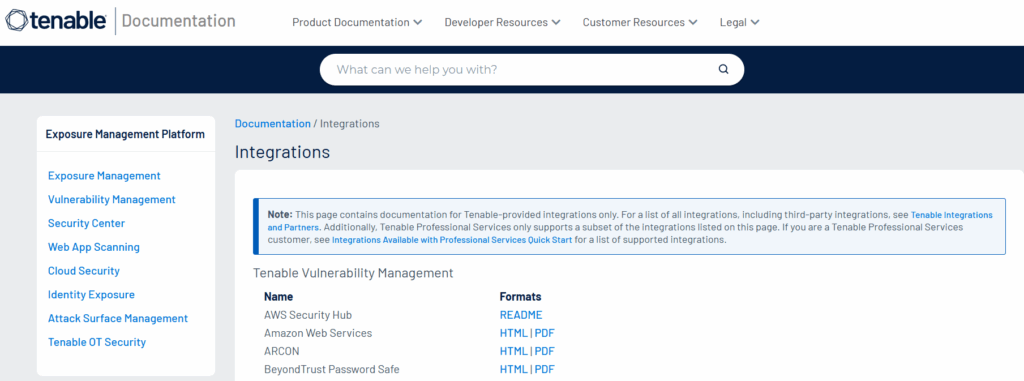
In a real environment, ShipChain already knows what is operationally critical.
Examples of operational context ShipChain manages:
- Active carrier connections
- Warehouse and 3PL integrations
- Shipment tracking services
- API-based data flows powering ETAs and visibility
At this stage, ShipChain does not share customer data or financial data.
It simply defines which systems and integrations support live operations.
Think of this as:
👉 “These digital touchpoints keep our supply chain running.”
🔹 Step 2: Tenable Identifies Cyber Exposure Around Those Systems
Tenable operates on a different layer.
Tenable looks at:
- Internet-facing APIs
- Cloud services hosting logistics workflows
- Connected third-party systems
- Endpoints supporting integrations
Tenable answers questions like:
- Which APIs are exposed?
- Which systems are misconfigured?
- Which vulnerabilities could cause downtime?
No ShipChain logic is changed here.
Tenable is simply observing and assessing exposure.
🔹 Step 3: ShipChain Shares Operational Context (Not Raw API Data)
This is where the integration becomes meaningful.
ShipChain provides high-level operational context through secure APIs or data exchange, such as:
- Which integrations are business-critical
- Which partners handle high shipment volume
- Which workflows are time-sensitive
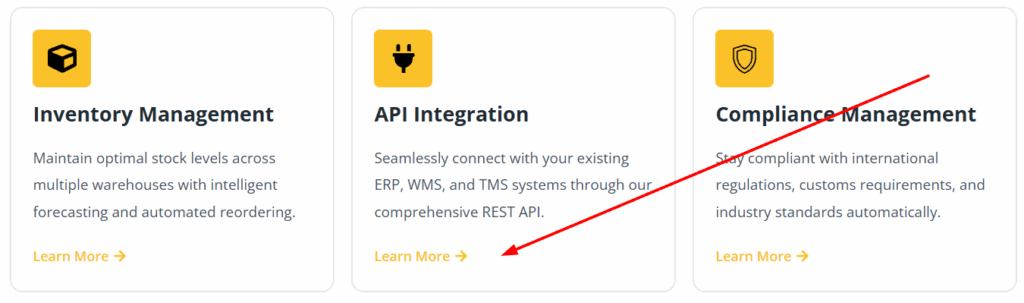
Important for US enterprise readers 🇺🇸:
- No PII
- No order details
- No financial records
- No customer names
Only context, not content.
This allows security teams to understand impact, not just risk.
🔹 Step 4: Tenable Correlates Exposure with Business Impact
Now Tenable can do something powerful.
Instead of showing:
“Vulnerability detected on API endpoint”
It can help teams understand:
“This vulnerability affects an API supporting a high-volume carrier integration used daily.”
This changes the conversation inside the organization.

Security teams stop asking:
- “How severe is this vulnerability technically?”
Operations leaders start asking:
- “Will this disrupt shipments or visibility?”
That’s the shift US enterprises care about.
🔹 Step 5: Continuous Monitoring Without Disrupting Logistics
Once visibility is established:
- Tenable continues monitoring exposure changes
- ShipChain continues running supply chain workflows
No traffic is blocked.
No integrations are paused.
No performance impact is introduced.
Teams receive early warnings, not late surprises.
This aligns with how US enterprises operate:
- Prevent disruption
- Avoid downtime
- Protect SLAs
🔹 Step 6: Coordinated Response Between Security & Operations
When risk is detected:
- Security teams see where exposure exists
- Operations teams see what workflows depend on it
Together, they decide:
- Whether to isolate a partner
- Whether to reroute shipments
- Whether to add verification temporarily
This avoids:
- Finger-pointing
- Panic reactions
- Unnecessary shutdowns
Instead, teams act calmly and confidently.
5. 🚨 Preventing Supply Chain Disruptions Before They Impact Operations
Most supply chain disruptions don’t start with a dramatic failure.
They start quietly a delayed API response, a missed update, a system behaving “slightly off” 😬.
By the time teams realize something is wrong, shipments are already delayed, customers are asking questions, and everyone is reacting under pressure.
This is where early visibility changes everything.
When cyber risk is understood before it turns into an operational issue, teams can act calmly instead of scrambling. Instead of discovering problems through angry emails or broken dashboards, leaders get signals early enough to make smart trade-offs.

Here’s how that prevention mindset works in practice 👇
First, exposure is identified around systems that actually support live operations not random assets. Security teams can see which integrations, APIs, or services are becoming risky, while operations teams understand which lanes, partners, or regions depend on them.
Second, decisions are made before peak impact. If a high-risk integration supports a critical carrier, teams can temporarily add validation steps, reroute shipments, or reduce dependency until the issue is addressed. No shutdowns. No panic.
Third, disruption becomes a controlled event, not a surprise. Instead of asking “What just broke?”, teams ask “What’s the safest move right now?” 🧠
This approach reflects how modern US enterprises operate 🇺🇸:
- They don’t aim for zero risk (that’s unrealistic)
- They aim for predictability and control
- They reduce surprises, not innovation
When platforms like Tenable provide early exposure signals and ShipChain provides operational context, disruption prevention becomes practical not theoretical.
In short, the goal isn’t to eliminate every issue.
The goal is to see problems early enough to stay in control 🚦.
Beyond operational visibility, integrated risk monitoring also strengthens financial system reliability and audit confidence across supply chain organizations.
6. How ShipChain and Tenable Work Together in Practice 🤝
In most organizations, supply chain and security teams operate in parallel but rarely together. One side focuses on keeping shipments moving, the other focuses on identifying cyber risk. The real value appears when both perspectives align.
Tenable continuously monitors cyber exposure across systems that support logistics operations, such as cloud infrastructure, third-party connections, and API-driven services. At the same time, ShipChain provides visibility into how those systems are used operationally which partners are active, which routes are critical, and which workflows cannot afford downtime.
When these two views are combined, teams no longer see cyber alerts in isolation.
They see context.
This enables:
- Clear prioritization of issues that actually affect operations
- Faster coordination between security and logistics teams
- Fewer last-minute escalations and emergency fixes
Instead of reacting after something breaks, teams act early with confidence and alignment.
7. Business Benefits for Supply Chain Leaders 📈
For leadership teams, this integration is not about dashboards or alerts it’s about decision confidence.
When cyber exposure is tied directly to operational workflows, leaders gain:
- Early visibility into potential disruption risks
- Faster, data-backed decision-making during incidents
- Reduced operational downtime during peak volumes
- Greater confidence when working with external partners
This approach reduces uncertainty. Leaders are no longer surprised by issues that appear “out of nowhere.” Instead, they understand what could go wrong, where, and how bad it might be.
In modern US enterprises 🇺🇸, that predictability is just as important as speed or cost efficiency.
Cyber risk doesn’t just create technical issues it can directly impact revenue, compliance, and customer trust across the supply chain.
8. Who Should Use the ShipChain and Tenable Integration 🎯
This integration approach is best suited for organizations that depend on digital connectivity to run their supply chain.

It is especially relevant for teams that:
- Rely on real-time shipment tracking and visibility
- Integrate with multiple carriers, warehouses, and 3PLs
- Operate API-driven logistics platforms
- Need stronger resilience, compliance, and audit readiness
If your operations depend on data flowing smoothly between systems, then cyber risk is already an operational concern whether it’s visible or not.
This integration helps make that risk visible, manageable, and actionable.
9. Conclusion – Turning Cyber Awareness Into Operational Confidence 🛡️
Today’s supply chains don’t fail only because of physical disruptions. They fail when digital systems silently degrade until operations feel the impact.
By pairing cyber exposure awareness from Tenable with operational context from ShipChain, organizations gain a more complete picture of their supply chain health.
They can see not only where risks exist, but also why those risks matter operationally.
The future of supply chain excellence isn’t just about moving faster or cheaper.
It’s about building systems that leaders can trust even under pressure. That’s what real operational confidence looks like.
“Related Article”
How Unsecured IoT Devices Disrupt Supply Chain Logistics
API Security Issues Affecting Modern Supply Chain Operations
10 FAQs ❓
Q1. Will this integration slow down live supply chain operations?
No. Monitoring happens in the background and does not interfere with shipments or workflows.
Q2. Does Tenable receive sensitive customer or financial data from ShipChain?
No. Only high-level operational context is shared to understand impact.
Q3. Is this a plug-and-play integration?
No. It’s a practical, architecture-level integration approach designed around real use cases.
Q4. Who benefits the most from this setup?
Mid-to-large enterprises with complex, digitally connected supply chains and multiple partners.