

📦⚙️ Modern supply chains run on industrial systems most people never talk about warehouse automation, scanners, sensors, and factory controls. These OT systems move goods, track inventory, and keep operations running.
The risk is that many of these systems were never designed for today’s connected, data-driven supply chains.
When OT systems fail or behave unexpectedly, the impact shows up as delayed shipments, inaccurate inventory, and broken visibility not obvious security alerts.
This is why OT security has become a hidden operational risk. Understanding it is essential for keeping supply chains reliable, predictable, and resilient.
📌 What OT Systems Exist in Modern Supply Chains 🏭
Operational Technology refers to the physical systems that control, monitor, and automate real-world operations. In supply chains, OT is everywhere—even if it’s rarely called out by name.
Here’s what that looks like in real life 👇
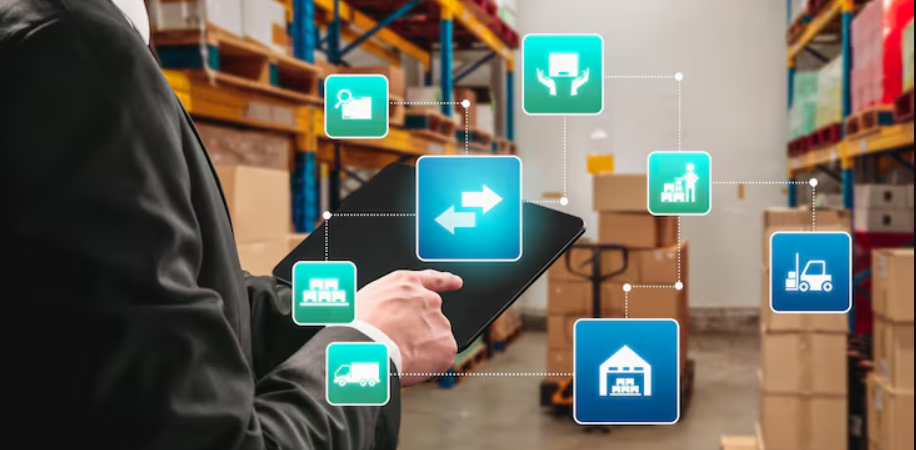
1. 📦 Warehouses & Distribution Centers
Modern warehouses depend heavily on OT systems to keep goods moving accurately and on time:
- Conveyor belts that route packages to the correct dock doors
- Barcode scanners and RFID readers tracking every item movement
- Automated sorting systems deciding where inventory goes
- Robotic picking systems assisting or replacing manual labor
- Dock door sensors coordinating inbound and outbound shipments
If these systems pause—even briefly—orders back up, labor sits idle, and shipping timelines slip.
2. 🏭 Manufacturing & Production Facilities
Factories use OT systems to control how products are made:
- Programmable machines controlling assembly lines
- Industrial controllers regulating speed, pressure, and timing
- Sensors monitoring equipment health and safety conditions
- Automated quality checks that approve or reject products
These systems are often always-on and deeply interconnected. A single disruption can halt an entire production run.
3. ❄️ Cold Storage & Temperature-Controlled Logistics
For food, pharmaceuticals, and chemicals, OT systems handle:
- Temperature and humidity controls
- Cold-chain monitoring sensors
- Alert systems for threshold breaches
A failure here doesn’t just cause delays—it can lead to spoiled inventory and regulatory issues.
4. 🚢 Ports, Terminals & Transportation Hubs
Large-scale logistics hubs rely on OT to manage:
- Cargo cranes and loading systems
- Yard management automation
- Weigh stations and scanning gates
- Scheduling systems tied to physical movement
When these systems slow down, congestion spreads quickly across regions.
🧠 Why This Matters for Supply Chain Leaders
OT systems aren’t “supporting” supply chains anymore—they are the supply chain.
Digital platforms, analytics tools, and planning software depend on OT-generated data to answer basic questions:
- Where is my inventory right now?
- Is production on schedule?
- Are shipments moving as planned?
When OT systems fail, everything built on top of them starts telling the wrong story including supply chain platforms like ShipChain that rely on accurate operational data for visibility and coordination.
And because many OT systems were installed years—or even decades—ago, they weren’t built to handle today’s connected environments or evolving risks.
📌 Why Industrial OT Systems Are at Higher Cyber Risk 🚨🔒
Legacy OT gear from the 90s runs Windows XP or older, built for max uptime not hacker defense. 🛡️❌ These always-on machines can’t reboot for patches without halting lines, leaving old flaws wide open. 📱💻
1️⃣ Legacy Systems Lack Modern Safeguards 🕰️🚫
Many OT devices like PLCs and SCADA date back 20+ years, coded for reliability over security. No firewalls, weak passwords (often defaults like “admin”), and no encryption mean attackers probe freely. 🌐 Unlike IT that auto-updates, OT stays frozen to avoid crashes, but exploits pile up yearly. US factories still use kit from Siemens or Rockwell never designed for internet links, now exposed via vendor portals. Recent stats show 60% of OT assets unpatched for years. 📊😬
2️⃣ No Security-by-Design in Industrial Tech 🏭⚙️
OT prioritizes “run forever”: conveyor controllers focus on speed, not logins. Sensors send data plain-text, ripe for snooping. 😈 When hooked to IT for dashboards (like ShipChain feeds), gaps let malware jump networks phishing one laptop infects factory floor. Third-party updates sneak in flaws; global supply chains mean Chinese chips or Russian firmware carry risks. No air-gapping anymore cloud IoT connects everything. ☁️🔗
3️⃣ Always-On Environments Amplify Threats 🔄🌍
OT never sleeps: ports cranes lift 24/7, fridge units hum non-stop. Downtime costs $100K/hour, so teams skip scans. Attackers love this ransomware encrypts PLCs silently, then strikes peak hour. IoT explosion adds 10x endpoints vs IT; a hacked temp sensor falsifies pharma logs, triggering FDA halts. Geopolitics targets too: state hackers hit US energy grids via OT, same playbook for logistics. Supply chains span nations, one weak vendor dooms all. 🇺🇸🚨
4️⃣ Why Supply Chains Face Extra Heat 📦🔥
Global links multiply risks: port OT shares data with shippers, warehouse scanners sync overseas factories. One breach cascades think SolarWinds hitting vendors, now OT suppliers. Visibility? Near zero; ops teams don’t scan like IT. Result: hidden bombs ticking in plain sight, waiting to derail just-in-time ops. 💣⏳
Many industrial control systems (ICS) were built long before modern cyber threats existed, and efforts to protect them now include national guidance on securing ICS environments and ensuring continuity of operations. Resources from the U.S. Cybersecurity and Infrastructure Security Agency explain the structure and common risks associated with industrial control systems.
📌 How OT Failures Disrupt Supply Chain Operations ⛔📉
OT crashes don’t just blink lights they freeze physical flows, turning smooth logistics into costly nightmares for US enterprises. 💥 Ops lose $50K+ per hour when machines halt, rippling from factories to doorsteps. 🤑
🔹Key Disruption Types 🚨
- Shipment Delays: Conveyor jams stop 10,000+ packages/hour—trucks roll empty, retailers face bare shelves. 🏪 Air freights cost 3x, holidays turn chaotic with canceled orders. 📦❌
- Inventory Chaos: Ghost stock shows shipped items still warehoused; pickers chase non-existent SKUs, spiking returns 20%. 📊🤯
- Production Halts: Robots freeze mid-weld, missing 50K units/day—manual work drops speed 70%, quality tanks. 🏭🔥
🔹Detailed Breakdown 🔍
Shipment Delays Cascade Globally 🚚🌍
Scanners fail mid-scan, misrouting pallets to wrong docks. Trucks wait 4+ hours, next-day SLAs shatter—e-com giants refund rushes. Ports backlog 500+ containers from one crane hack, delaying global trade by weeks. Competitors snag urgent orders while you scramble. 😵📉
Inventory Mismatches Create Chaos 📦🔄
Sensors lie “full shelves” empty fast; systems duplicate SKUs, overstocking junk while shortages hit hot items. $1M write-offs pile up, planners overbuy blind. No real-time truth = bullwhip effect inflating costs 15-30%. 💸📈
Production Downtime Hits Hardest 🛠️⏱️
PLCs lock on assembly lines—CNCs halt mid-cut, quotas miss big. Pharma fillers stop sterile, FDA risks loom with $500K penalties. Overtime balloons, recovery days drag with recalibrations. 🧪⚠️
Real-World Ops Fallout 💣🚛
Ransomware freezes AGVs—staff hand-carts pallets at 1/8 speed. Fridge fails spoil $100K perishables; ops chiefs face board fire as margins evaporate. Resilient chains demand OT armor now. 🏆
📌 Warehouse OT Breach Triggers Chain Reaction 💥📦
The Setup 🏭🚨
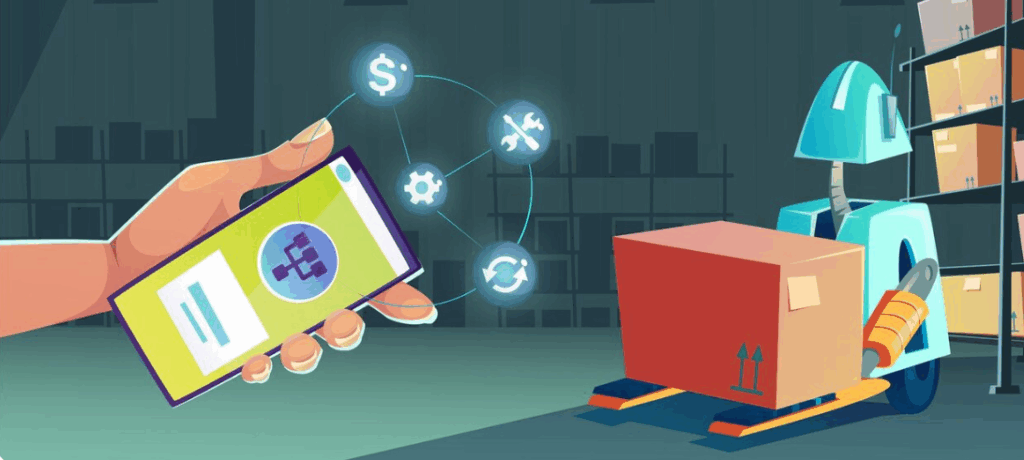
Picture a busy US distribution center for electronics—think 500K sq ft humming with OT automation during peak holiday rush. 🤖 ShipChain dashboards glow green, tracking 20K daily orders flawlessly. Then hackers strike via an unpatched vendor laptop left plugged into the scanner network. 😈 Malware spreads silently to PLCs controlling conveyors and robots.
The Breach Unfolds ⚠️🔄
- Scanners start misreading 30% of barcodes, flagging iPhones as headphones. 📱❌
- Robotic arms slow to half-speed, jamming pick zones with toppled totes. 🤖💥
- Conveyors reverse randomly, reshuffling pallets into wrong lanes. 🚚🔀
Within hours, throughput drops 60%—manual overrides fail as OT locks out changes. 🛑
Downstream Chaos Hits 🌊📉
Orders delay 48+ hours: 5K high-demand laptops miss Black Friday trucks. 🖥️⏳ ShipChain screens flicker red—dashboards show “shipped” items stuck onsite, inventory duplicates skyrocket (2x widgets reported). Retail partners panic-call: empty shelves, customers rage-cancel. Ops divert 50 forklifts to hand-sort, but errors compound—wrong shipments cost $500K returns. 💸😡
Recovery Nightmare 🛠️⏳
Teams isolate networks manually, but PLC resets take 72 hours—full reboot risks bricking hardware. 🧑🔧 Expedited airlifts burn $2M, SLAs breach with Walmart penalties. ShipChain data poisons forecasts for weeks, overstocking cold items while hots run dry. Trust erodes: vendors switch carriers, execs face board probes. Total hit? $5M+ in one breach. 💣
Lesson for Leaders 💡
One weak scanner endpoint cascades globally—no OT visibility means blind ops. Time to map and shield. 🛡️
📌 Why OT Risk Becomes a Supply Chain Visibility Problem
OT risk becomes a supply chain visibility problem when physical operations continue but the data feeding digital platforms turns incomplete or inaccurate. As a result, leaders see dashboards that look normal while real-world operations drift out of sync.
1. 📡 OT Systems Are the Source of Operational Truth
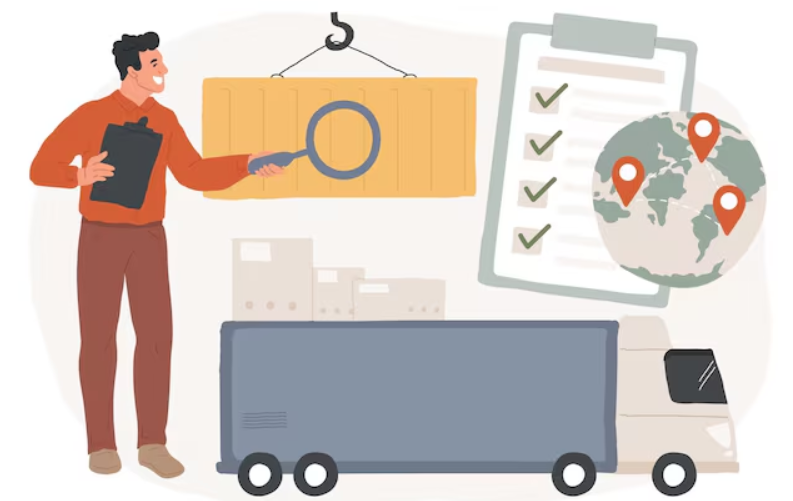
Every supply chain dashboard depends on data created by OT systems. Scans, sensor readings, machine states, and movement confirmations all originate on the warehouse floor, factory line, or logistics hub. If OT data is delayed or incomplete, digital platforms reflect an assumed reality, not the actual one.
2. 🔁 Small OT Issues Create Big Data Gaps
OT failures are often partial, not total. Systems keep running, but some signals drop or arrive late. This creates gaps where inventory moves physically but isn’t captured digitally. Over time, these small gaps stack up and distort planning, reporting, and coordination.
3. 📊 Visibility Tools Don’t Detect Physical Failure
Supply chain visibility platforms are built to process data, not question it. If OT systems send flawed or inconsistent information, dashboards still update—just inaccurately. Teams see activity, but they don’t see the risk behind the numbers.
4. ⏳ Delayed Awareness Slows Response
Because visibility issues emerge gradually, leadership often realizes there’s a problem only after SLAs are threatened or partners raise concerns. By then, decisions based on incorrect data are already in motion and difficult to reverse.
5. ⚠️ Visibility Becomes a Liability
When OT risk goes unseen, visibility tools stop enabling fast decisions. Instead, they create hesitation, second-guessing, and reactive firefighting. The organization loses confidence not only in the data but in the systems meant to provide clarity.
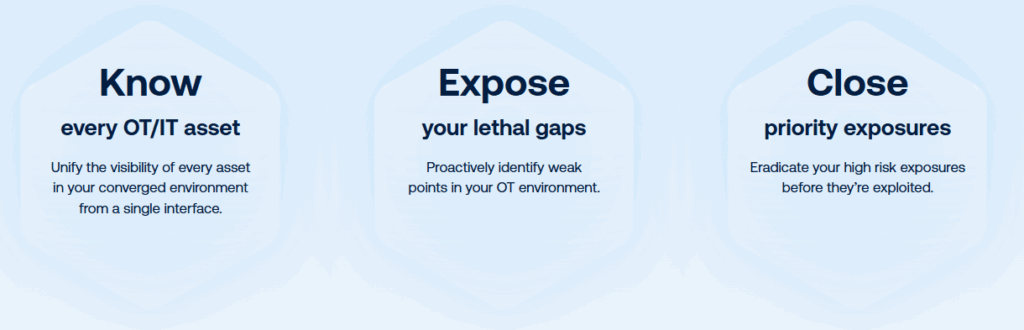
📌 The Role of OT Security Visibility in Preventing Downtime🛡️
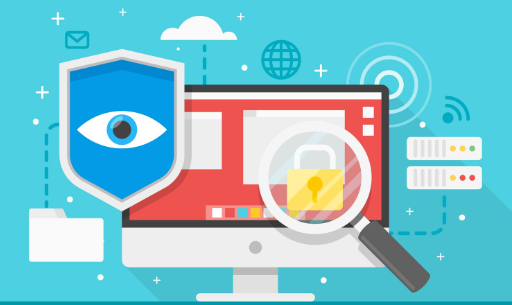
OT security visibility plays a critical role in keeping supply chains running smoothly not by stopping machines, but by preventing surprises. In industrial environments, the biggest risk isn’t sudden failure; it’s problems that grow quietly while operations appear normal.
👀 Early Awareness Before Operations Break
Most OT-related disruptions give signals before they cause downtime unusual device behavior, inconsistent data flow, or systems communicating in unexpected ways. OT security visibility helps organizations spot these early indicators while production is still running, giving teams time to act before delays or shutdowns occur.
This early awareness is what separates controlled response from emergency firefighting.
🧭 Understanding What’s Truly Critical
Not all OT systems carry the same operational risk. Visibility helps teams understand:
- Which industrial systems directly impact shipments and inventory
- How failures would affect downstream planning and fulfillment
- Where a small issue could trigger a larger operational disruption
This allows leaders to prioritize based on business impact, not just technical alerts.
🏭 Protecting Uptime Without Disrupting Production
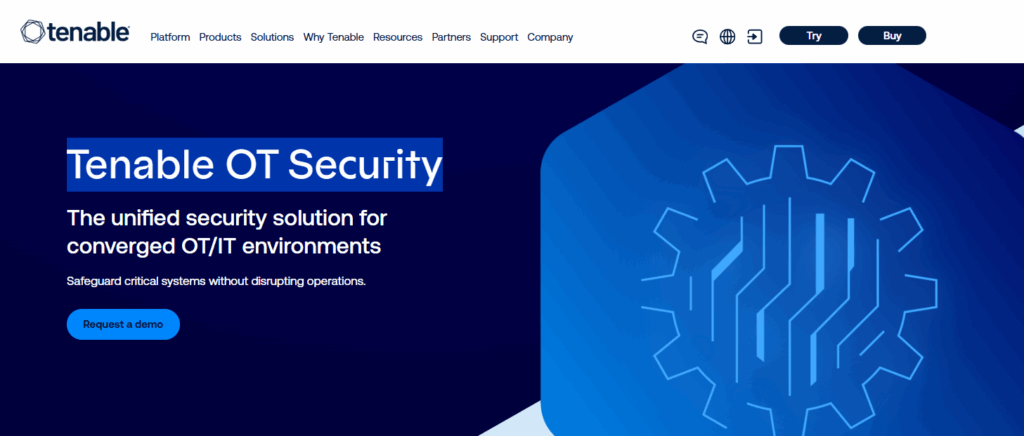
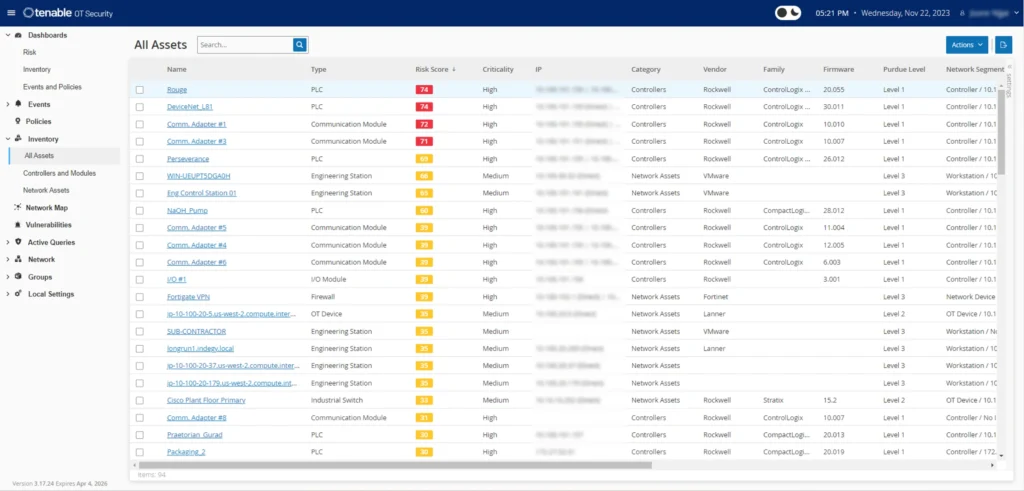
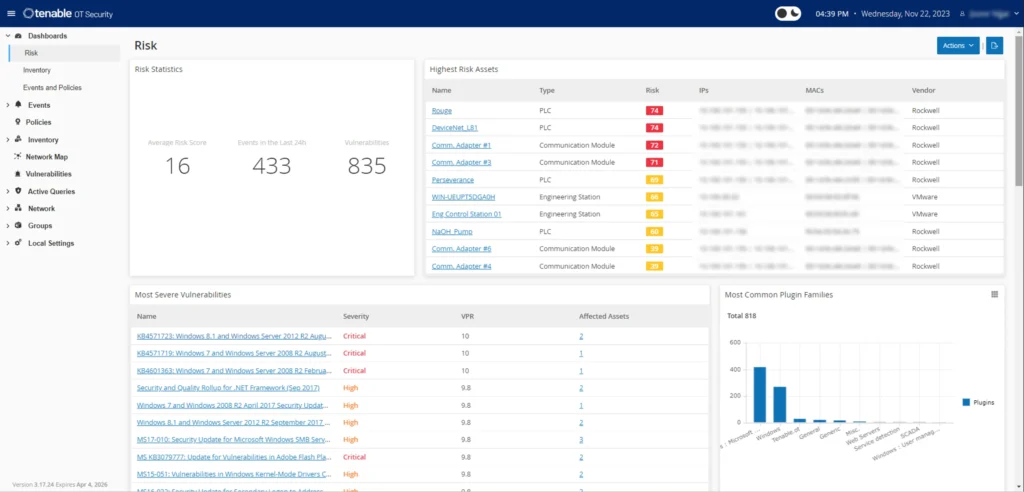
Unlike traditional IT tools, OT-focused visibility solutions are designed to observe industrial environments without interfering with live operations. For example, solutions like Tenable OT Security focus on monitoring and risk awareness without requiring system shutdowns or production pauses.
This is essential in supply chains where downtime itself is often more costly than the risk being monitored.
⏱️ Faster, More Confident Response
When OT environments are visible, teams no longer have to guess whether delays are caused by labor issues, logistics bottlenecks, or physical system behavior. Clear insight shortens investigation time, reduces confusion between teams, and helps organizations respond before minor issues escalate into full downtime.
📌 How Supply Chain Platforms Are Impacted by OT Disruptions
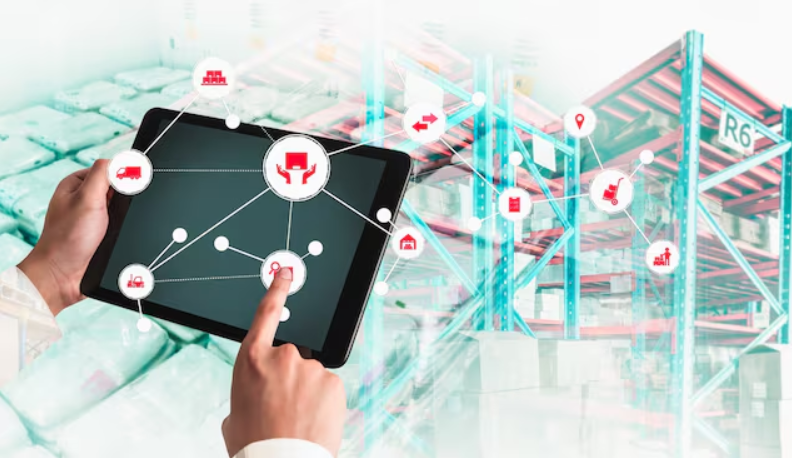
Supply chain platforms rely on a constant flow of accurate data from OT systems to function correctly. When those industrial systems experience disruptions, even minor ones, the effects quickly surface across planning, execution, and coordination layers. 🔄
📥 Unreliable Data Enters the Platform
OT systems generate the events that platforms track. When disruptions occur:
- Movement data arrives late or incomplete
- Status updates don’t reflect physical reality
- Order and inventory timelines fall out of sync
The platform continues operating, but on distorted inputs.
🧭 Planning and Coordination Drift
Planning engines assume OT data is accurate. When it’s not:
- Demand plans misalign with real inventory
- Replenishment decisions are delayed or incorrect
- Teams operate with conflicting information
Cross-functional coordination slows as confidence in data drops.
📈 KPIs Lose Credibility
Operational metrics depend on OT-generated data. Disruptions lead to:
- Skewed on-time delivery metrics
- Misleading inventory accuracy reports
- Performance reviews based on partial truth
Leaders spend more time questioning numbers than acting on them.
🤝 Partner Collaboration Suffers
Shared visibility is critical for partners. OT disruptions cause:
- Conflicting shipment statuses
- Manual verification requests
- Delayed handoffs and escalations
Trust shifts from system-based to manual checks.
🧠 Platforms Can’t Fix Physical Gaps
No matter how advanced, supply chain platforms including tools like ShipChain can only work with the data they receive. OT disruptions don’t break the platform itself; they break the reliability of insight it provides.
📌 Why Supply Chain Leaders Must Treat OT Security as an Operational Risk
For a long time, OT security was seen as a technical responsibility managed quietly by IT teams while operations focused on keeping goods moving. That separation no longer works. In modern supply chains, OT systems sit directly in the flow of production, fulfillment, and delivery. When they are disrupted, the impact is felt first by operations and customers, not security teams. 🧠
OT risk today is a business risk, and leaders need to treat it that way.
🏭 Operational Impact Comes Before Security Labels
OT disruptions rarely look like cyber incidents at the start. They surface as operational problems such as:
- Unexpected downtime in warehouses or factories
- Delayed or incomplete shipments
- Inventory data that no longer matches physical stock
- Missed SLAs and partner escalations
By the time the issue is identified as security-related, the operational damage has already occurred.
📉 Why This Is a Leadership Concern
From a leadership standpoint, OT risk directly affects:
- Revenue predictability
- Customer experience and retention
- Partner trust and coordination
- Continuity during peak demand or disruption
These outcomes sit squarely within operations and supply chain leadership, not just IT.
🧩 Shared Environments Need Clear Ownership
OT environments span multiple teams—operations run the systems, IT connects them, and supply chain leaders depend on their data. Without clear ownership:
- Early warning signs get ignored
- Issues fall between teams
- Small failures grow into major disruptions
Leadership alignment is what prevents these gaps.
⏱️ Proactive Oversight Reduces Recovery Costs
Leaders who treat OT security as an operational risk focus on prevention, not cleanup. This includes:
- Watching for early operational signals, not just outages
- Protecting uptime instead of explaining downtime
- Preserving trust in dashboards and planning systems
The result is faster response, fewer surprises, and stronger resilience.

Conclusion 📝🔒
Industrial systems quietly power every modern supply chain. When OT systems in warehouses, factories, or distribution centers fail or behave unexpectedly the impact appears as downtime, data gaps, and broken visibility.
The risk is that these issues rarely look like security incidents. Operations continue, dashboards still update, but decisions are made on incomplete or inaccurate data. By the time problems surface, delays and SLA failures have already occurred.
That’s why OT security must be treated as an operational priority. Improving visibility into OT environments helps protect uptime, maintain data accuracy, and keep physical operations aligned with digital decision-making essential for a resilient and predictable supply chain.
“Related Articles”
- How Do Cyber Attacks Affect Supply Chain Operations?
- Tenable and ShipChain Integration: Operational Risk Control
FAQs ❓✅
1. What is OT security?
OT security protects the industrial systems like scanners, sensors, and machines that run physical supply chain operations.
2. How do OT failures affect supply chains?
They cause downtime, inventory mismatches, delayed shipments, and unreliable data across planning systems.
3. Why don’t dashboards catch OT issues early?
Dashboards show the data they receive. If OT data is delayed or incomplete, visibility looks normal but isn’t accurate.
4. Is OT security an IT or operations issue?
It’s an operational issue with direct impact on uptime, delivery performance, and business continuity.